
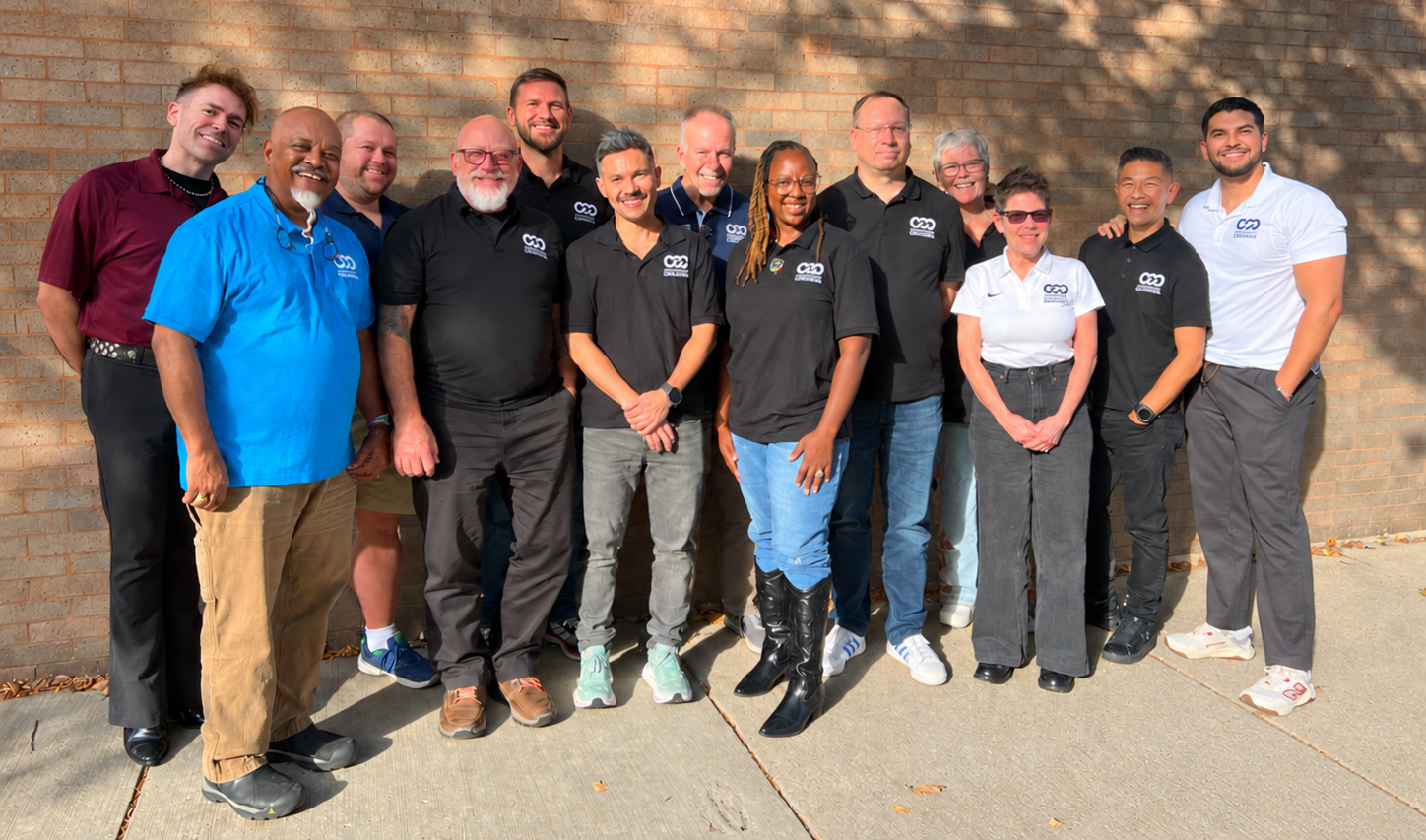
In October, the board and officers of the Federation of Gay Games met in Chicago for our mid-year meeting. We came away with an honest picture of where we are strong, where we have fallen short, and how we intend to move forward. This is our account of that meeting, written for every member organisation and delegate.
Learning from Valencia
Valencia showed us both the best and the hardest of the Gay Games. In more than 1,400 survey responses, participants told us the Games were joyful, powerful and, for many, life-changing. Registrations exceeded projections, and the city's warmth left a lasting impression.
Participants also told us, clearly, that the delivery let them down. They described long accreditation queues in the heat, late schedules and facilities that fell short of expectations. Most painfully, some badges and medals showed legal names instead of the names people actually use. For an event built on dignity and belonging, that failure matters deeply, and we are making sure it cannot happen again.
We are still working with Valencia to close the Games properly, including final reporting and results. The deeper lesson is about structure. Future host agreements need to keep the organisations delivering the Games in place until the work is finished, and give the Federation clearer ways to step in when things go wrong.
Making Perth the Games participants deserve
Everything we heard from Valencia is shaping our work with Perth. Fewer than half of survey respondents have decided to come yet, and we take that as a challenge to earn their trust.
Our priorities are practical. We want a registration system that works on a phone, uses your chosen name by default, and publishes schedules before registration opens. We want water, shade and medical care at every venue, accreditation that doesn't mean hours in a queue, transit that covers the whole Games, and one reliable place for information. Board members and officers will test the registration system themselves before it goes live. We are also asking sports organisations to coordinate venue contact through Perth's steering committee, so the host hears one clear voice from our movement.
A Federation members can see and use
We heard honestly that many member organisations know the Gay Games but not the Federation behind them. Delegates change often, arrive at assemblies with little context, and too often don't know how to get involved. The accessibility amendment falling short of the two-thirds majority added to that frustration. The board supports its intent, and it is going back through governance review; we will report clearly on its path forward.
We want the relationship to run both ways. That means better onboarding for new delegates, clearer information about committees and how to join them, and communication tools that bring members together rather than scattering conversations across apps. Before adding new platforms, we will make better use of the ones we already have. We are also exploring a Gay Games mobile app to keep our community connected in the years between Games, not just for one week every four years.
Stronger foundations
Our new board structure is now a year old, and Chicago was a chance to finish putting it in place. We reviewed every committee against the new structure, merged or retired those whose work now sits elsewhere, and appointed new officers for Scholarship, Archives and Technology. We are also forming the Audit Committee our bylaws require. Officers and the board will meet more often, and leaders will keep proper records so knowledge isn't lost when people move on.
We are strengthening how new members are welcomed and how membership is verified. Applications will be reviewed against clear criteria and decided at board meetings with full information. The Audit Committee will help confirm that member organisations are active and genuine. Voting rights matter, and every member deserves confidence that they are exercised fairly.
Inclusion as our compass
Seventy-eight percent of our participants are cisgender men. That is not the Gay Games we want to be. We are looking carefully at what keeps women, lesbian, trans, non-binary and queer athletes away, including whether our name plays a part, and we will gather real evidence before making any decision. We are learning from Amsterdam 1998, where nearly half of participants were women.
We want FLINTA athletes and straight trans people to know they are explicitly welcome. Much of our advocacy with international sports federations on inclusive registration has happened quietly, and we will make it visible. At a time when major sporting bodies are stepping back from equity and inclusion, the Federation will say clearly that we are moving forward.
Building a Federation that lasts
Volunteer organisations live or die by how well they pass knowledge on, and too much of what the Federation knows has lived in individual heads and personal accounts. We are changing that. Succession will be planned around roles rather than people, with open and transparent recruitment, and promising volunteers will be able to shadow officers before stepping up. Board roles opening in 2027 will be advertised well ahead of time, and we especially welcome candidates who bring more diversity to our leadership, including for a co-president role open to people who are not cisgender men.
We are also moving to a new shared drive where documents belong to the Federation rather than to whoever created them. Most delegates will see just two clear spaces: official Federation documents, and a workspace for the committees they belong to. A step-by-step guide and a dedicated support address will help everyone through the move.
Your voice in how we meet and choose hosts
How and where the General Assembly meets matters to every member. We heard that travel costs keep many delegates away, and that the current site selection format asks a great deal of bid cities for very little time in front of members. We are proposing a calendar that mixes virtual and in-person assemblies, while keeping site selection in person so every bid city gets a fair hearing. We are also looking at how virtual attendance should count towards voting eligibility. Before the next host selection process opens, we will ask you directly, through a member survey, how you think it should work.
Looking ahead
Chicago left us energised and united, with a shared picture of what we want to build and a confident direction for getting there. Together, we are building a Federation that delivers Games worthy of the people who come to them, that members can see and shape, and that leads the way on inclusion. The momentum is real, and we would love every member organisation to be part of it: join a committee, tell us what you need, and help make Perth the best Gay Games yet.